The Impact of Snow Removal on Your Landscaping: What You Need to Know


The Importance of Snow Removal for Your Landscape
Winter weather can be incredibly harsh on your landscape. Snow and ice accumulation can lead to significant damage if not properly managed. Implementing an effective snow removal strategy is essential to protect your plants, trees, and overall landscape design during the colder months.
While the visual appeal of a snow-covered garden is undeniable, the weight and moisture content of snow can cause branches to break, compact the soil, and suffocate plants. In order to preserve the integrity of your landscaping, it's crucial to understand how snow removal plays a vital role in winter maintenance.
Protecting Trees and Shrubs
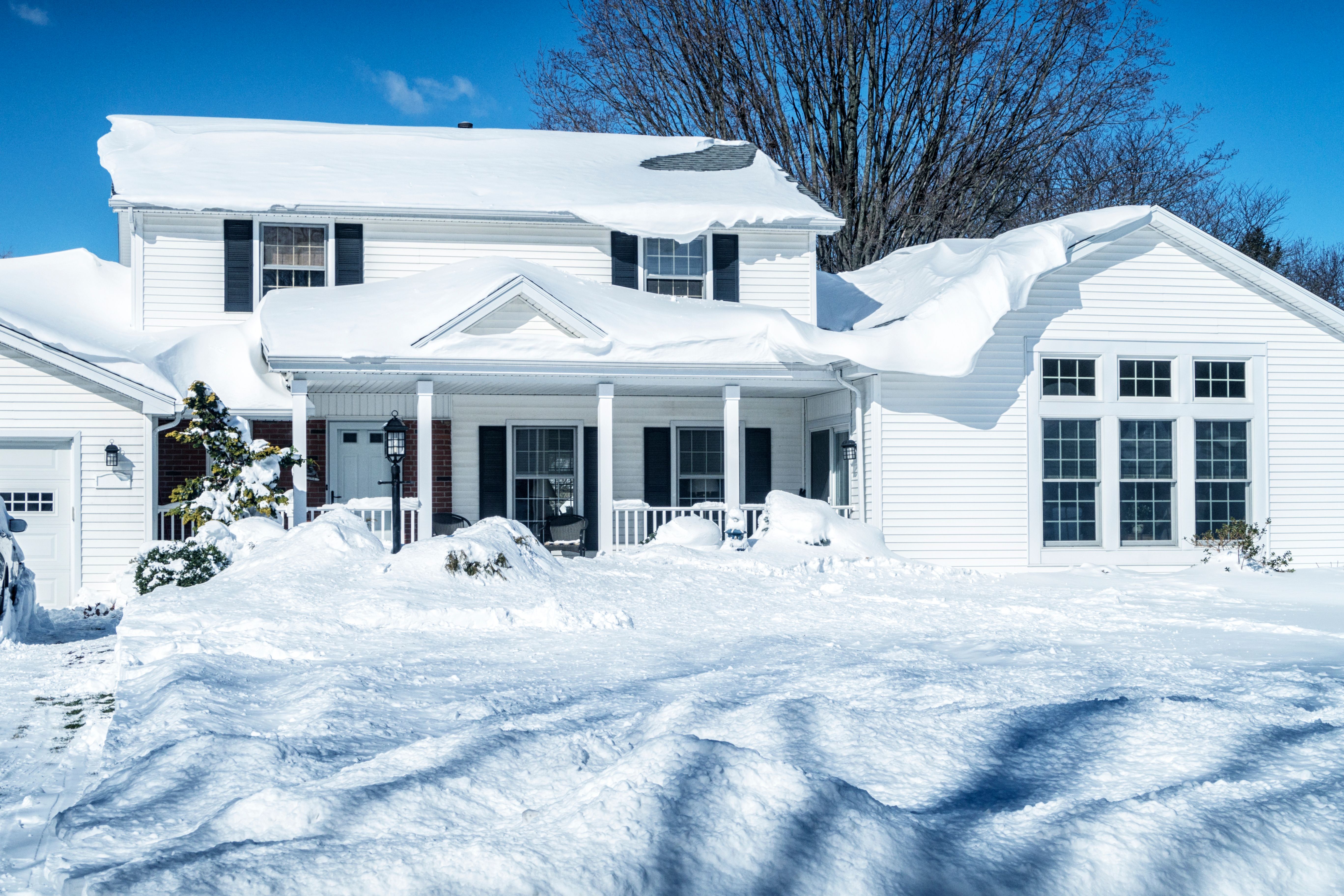
Trees and shrubs are particularly vulnerable during winter. Heavy snow can cause limbs to snap, leading to long-term damage or even death of the plant. To mitigate this risk, gently remove snow from branches using a broom or your hands. Avoid shaking the branches as this can cause further breakage.
For evergreens and other delicate plants, consider using burlap wraps or other protective coverings. These materials help shield against both snow accumulation and harsh winds, providing an extra layer of protection throughout the season.
Maintaining Soil Health
Snow removal isn't just about clearing pathways; it also plays a critical role in maintaining soil health. Compacted soil can prevent oxygen from reaching the roots, which is vital for plant survival. By carefully managing snow removal around garden beds, you can prevent soil compaction and promote healthy root systems.
Utilize tools like shovels or snow blowers with care to avoid disturbing the soil structure. Consider leaving a layer of snow on garden beds as insulation against freezing temperatures. However, ensure that this layer is not too thick to avoid suffocating the plants beneath.
The Role of De-Icing Products
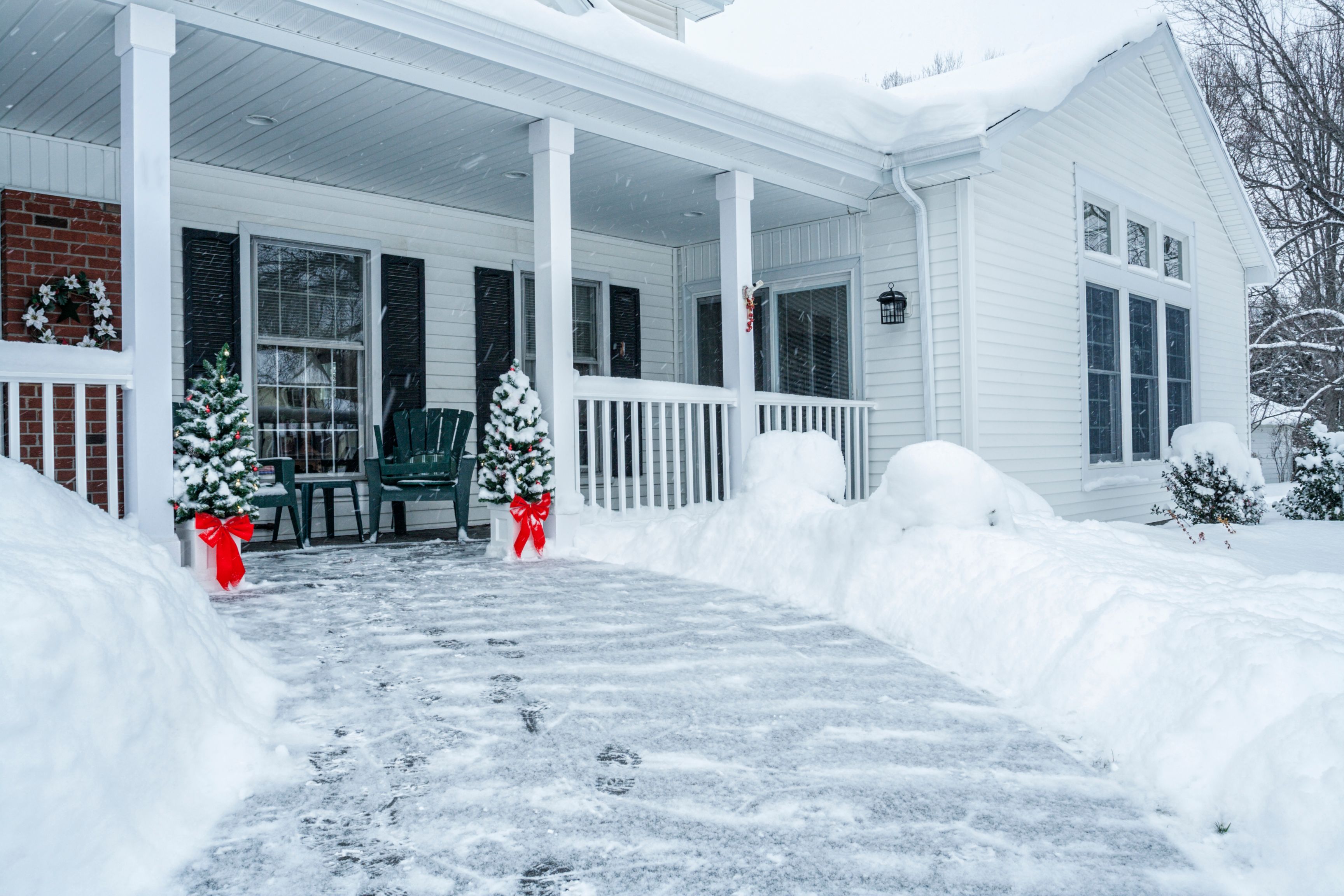
De-icing products are commonly used to prevent ice buildup on walkways and driveways, but they can have adverse effects on your landscaping. Many traditional de-icers contain salts that can damage plant roots and alter soil chemistry.
Opt for plant-safe alternatives such as calcium magnesium acetate or sand, which are less harmful to your garden. Regularly rinse off any residue left by de-icers to minimize potential damage and maintain your landscape's health.
Long-Term Planning for Snow Removal
Incorporating snow removal strategies into your landscape planning can save you time and effort when winter arrives. Consider designing pathways in a way that facilitates easy snow removal or planting hardy species that can withstand heavy snow loads.

It may also be beneficial to consult with a professional landscaping service that specializes in winter maintenance. Their expertise can help you develop a comprehensive plan tailored to your specific needs, ensuring your landscape remains vibrant and healthy year-round.
Ultimately, understanding the impact of snow removal on your landscaping is key to protecting your investment. By taking proactive measures, you can enjoy a beautiful and thriving landscape despite the challenges posed by winter weather.