How to Prepare Your Landscape for Winter in Ohio


Understanding Ohio's Winter Landscape
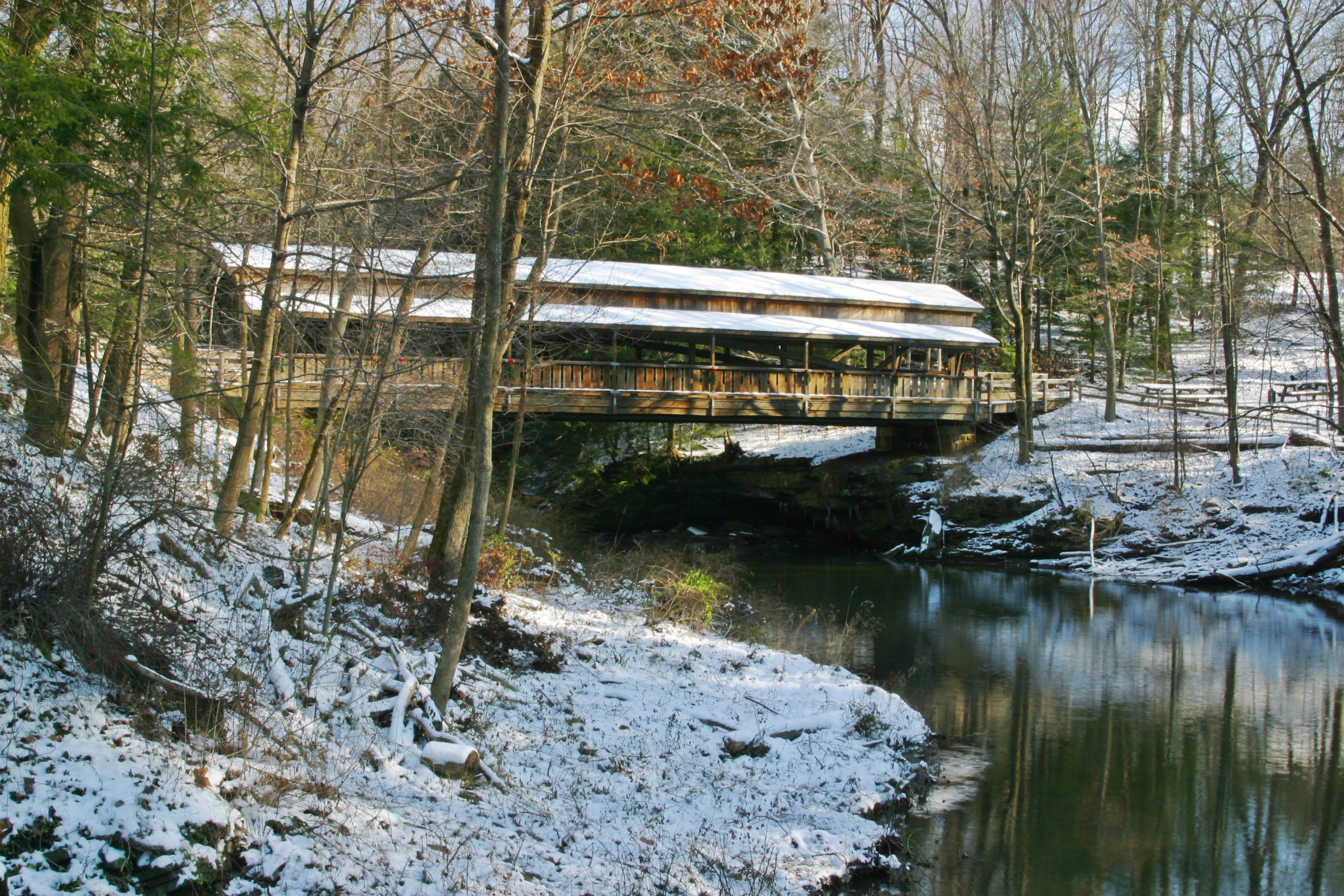
As the vibrant colors of fall begin to fade, Ohio residents must start preparing their landscapes for the winter months. With its unpredictable weather patterns, Ohio's winters can be harsh on gardens and lawns. Taking proactive steps now can ensure that your landscape remains healthy and beautiful when spring returns.
Essential Lawn Care Tips
One of the first steps in preparing your landscape for winter is proper lawn care. Start by giving your grass a final mow, cutting it slightly shorter than usual. This helps prevent matting under snow and reduces the risk of mold and disease.
After mowing, consider aerating your lawn to improve drainage and reduce soil compaction. This process allows nutrients and water to penetrate deeper into the soil, promoting root health. Follow up with a quality fall fertilizer to nourish your lawn throughout the winter.
Leaf Management
Leaves can quickly pile up during fall, and while they may look picturesque, they can suffocate your grass if left unattended. Rake and remove excess leaves regularly or mulch them with a mower to add nutrients back into the soil.

Protecting Trees and Shrubs
Trees and shrubs require special attention as they brace for winter. Begin by trimming dead or diseased branches to prevent breakage under heavy snow and ice. Pruning also encourages healthy growth when spring arrives.
To protect your trees and shrubs from the harsh elements, consider wrapping them with burlap or using tree guards. This shields them from winter burn caused by freezing temperatures and strong winds.
Mulching for Insulation
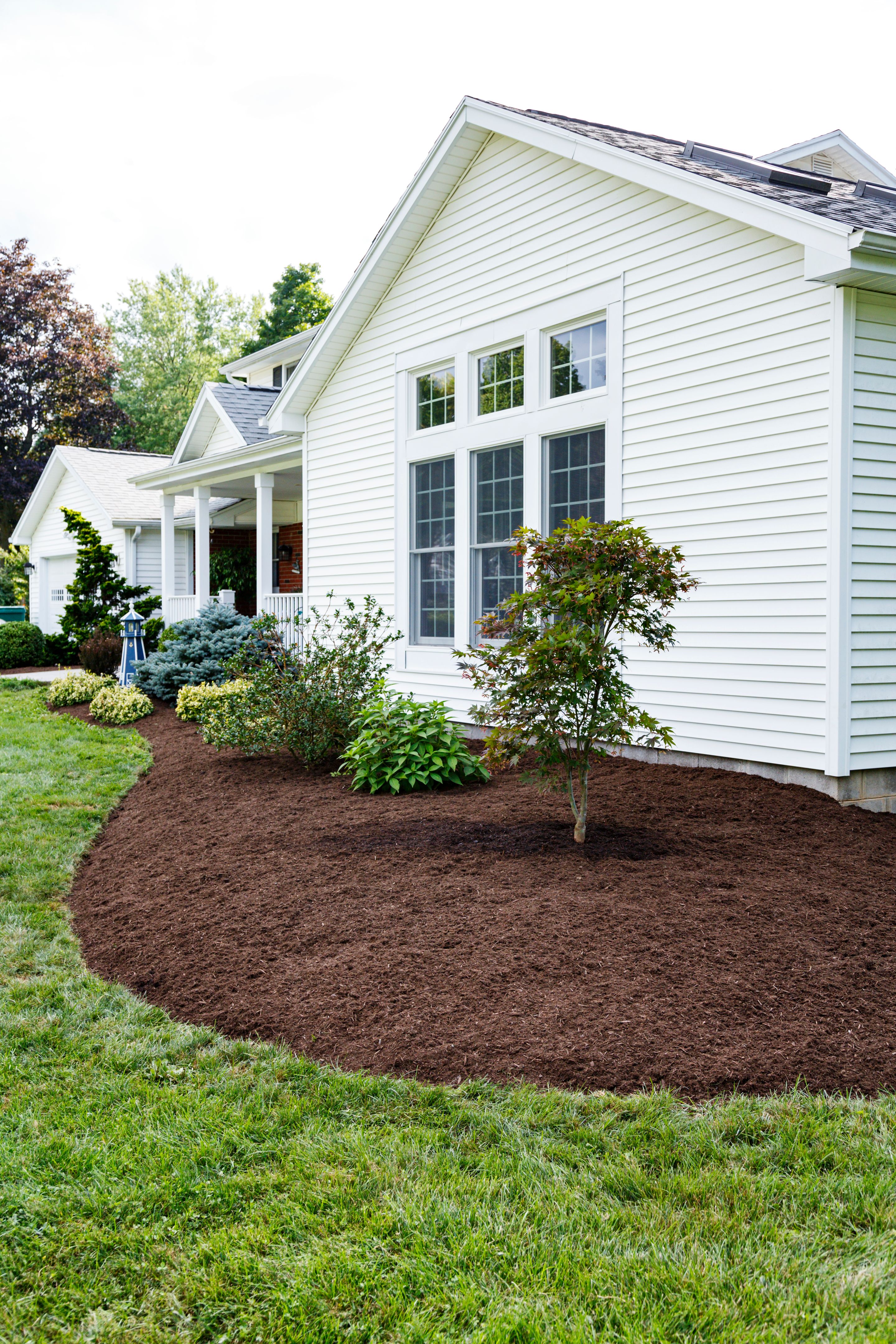
Apply a layer of mulch around the base of trees and shrubs to act as an insulator. Mulch helps retain soil moisture, regulate temperature, and prevent weeds. Ensure the mulch is spread evenly but not piled against tree trunks to avoid rot.
Garden Bed Preparation
Preparing garden beds is another crucial step in winterizing your landscape. Remove any dead annuals and cut back perennials to minimize pest attraction. This cleanup process also helps prevent disease from overwintering in plant debris.
Consider planting cover crops like rye or clover in bare garden areas. These crops improve soil health by adding organic matter, reducing erosion, and suppressing weeds during the dormant season.
Winterizing Garden Tools
Finally, don't forget about your garden tools. Clean, sharpen, and store them properly to ensure they are ready for use in the spring. A little maintenance now can extend the life of your tools and make gardening more efficient next year.
By taking these steps to prepare your landscape for winter, you can safeguard your outdoor spaces against Ohio's challenging winter conditions. With a bit of effort, you'll be rewarded with a thriving garden come springtime.