Comparing Snow Removal Techniques: Which is Best for Ohio's Winters?


Understanding Ohio's Winter Climate
Ohio is known for its unpredictable winter weather, where residents can experience everything from light flurries to heavy snowfalls within a single week. This variability makes effective snow removal techniques crucial for safety and accessibility. Homeowners, businesses, and municipal services must be prepared with strategies that are both efficient and environmentally friendly.

Traditional Shoveling: The Basics
The most common snow removal technique is traditional shoveling. This method requires minimal investment in tools but demands significant physical effort. While effective for small areas or light snowfalls, shoveling can become overwhelming during heavy snow events. It's also important to consider the potential health risks, such as back strain or heart-related issues, particularly for those not accustomed to strenuous activity.
Pros and Cons of Shoveling
Pros: Shoveling is cost-effective and environmentally friendly, as it involves no chemicals or fuel. It's also an excellent form of exercise.
Cons: The physical demand can be significant, and it's time-consuming for larger areas. There's also a risk of injury if not done properly.
Snow Blowers: Efficiency Meets Power
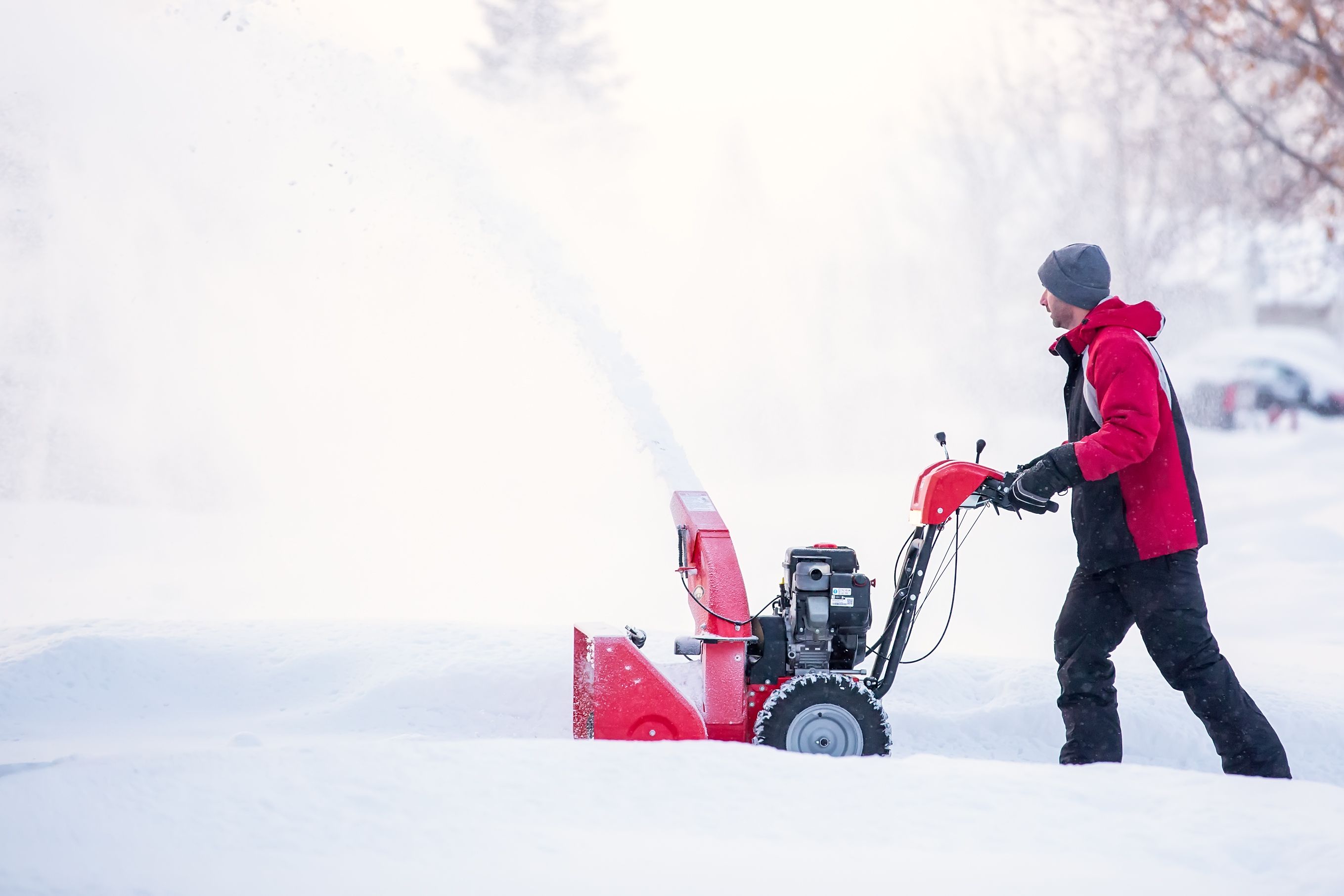
For those looking to clear large driveways or sidewalks efficiently, snow blowers offer a more powerful solution. These machines are particularly effective during heavy snowfalls and can save a considerable amount of time compared to manual shoveling. However, they come with their own set of considerations, such as fuel usage and maintenance.
Advantages and Disadvantages of Snow Blowers
Advantages: Snow blowers can handle significant amounts of snow quickly, reducing the effort required. They are ideal for larger properties or when time is a constraint.
Disadvantages: The initial cost can be high, and they require regular maintenance. Additionally, they consume fuel and can be noisy, which might be a concern in residential areas.
Chemical Deicing Agents: A Practical Approach
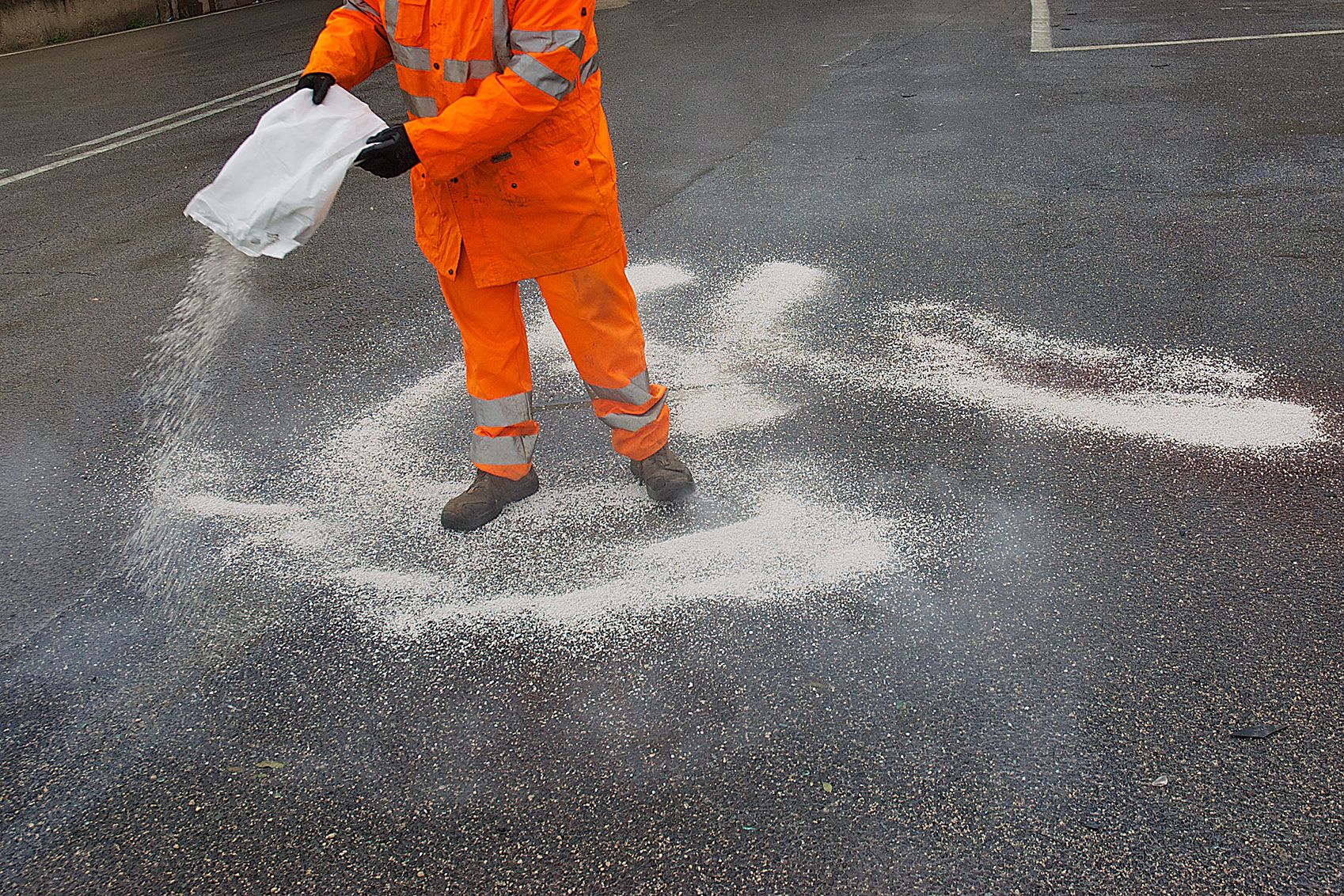
Chemical deicers, such as rock salt or calcium chloride, are often used to melt ice and prevent snow from bonding to surfaces. These agents are widely used by municipalities to keep roads clear but can also be effective for homeowners managing walkways and driveways.
The Impact of Chemical Deicers
Pros: Deicers are easy to apply and work quickly to melt ice, improving traction and safety. They are especially useful in preventing ice buildup when applied before snowfall.
Cons: Repeated use can lead to environmental concerns, such as soil and water contamination. Additionally, some deicers can cause damage to concrete surfaces over time.
Alternative Methods: Eco-Friendly Solutions
As awareness of environmental impact grows, many are turning to alternative snow removal methods. Options like heated driveways or eco-friendly deicing products offer sustainable solutions without compromising efficiency. These alternatives may involve higher initial costs but can provide long-term benefits in terms of reduced environmental impact and maintenance needs.
The Benefits of Eco-Friendly Options
Benefits: Environmentally friendly methods help reduce pollution and are often safer for pets and plants. Heated driveways eliminate the need for chemicals altogether.
Challenges: The upfront costs can be prohibitive for some homeowners, and the technology may not be as widely available in all areas.
Conclusion: Choosing the Right Technique
The best snow removal technique for Ohio's winters depends on individual circumstances, including property size, budget, and environmental concerns. While traditional shoveling remains a staple for many, investing in a snow blower or exploring alternative methods could provide significant advantages during harsh winters. Ultimately, the key is to find a balance that ensures safety and convenience while being mindful of environmental impacts.